Nutrition In Child-Care
Welcome to Nutrition In Child-Care, where we believe in nurturing young minds and bodies through healthy eating habits. Discover the foundational importance of nutrition and how it shapes the well-being of children from infancy to school age.
Importance of Nutrition
Proper nutrition is important in the early childhood because it supports children’s physical growth, brain development, energy levels, and overall health. In the early years of growing children bodies and brain is still developing as they grow. Children need the right amount of nutrition, they require a balanced amount of nutrients such as proteins, carbohydrates, healthy fats, vitamins, and minerals. When children receive adequate nutrition, they are better able to concentrate, participate in learning activities, and develop strong immune systems that help protect them from illness.
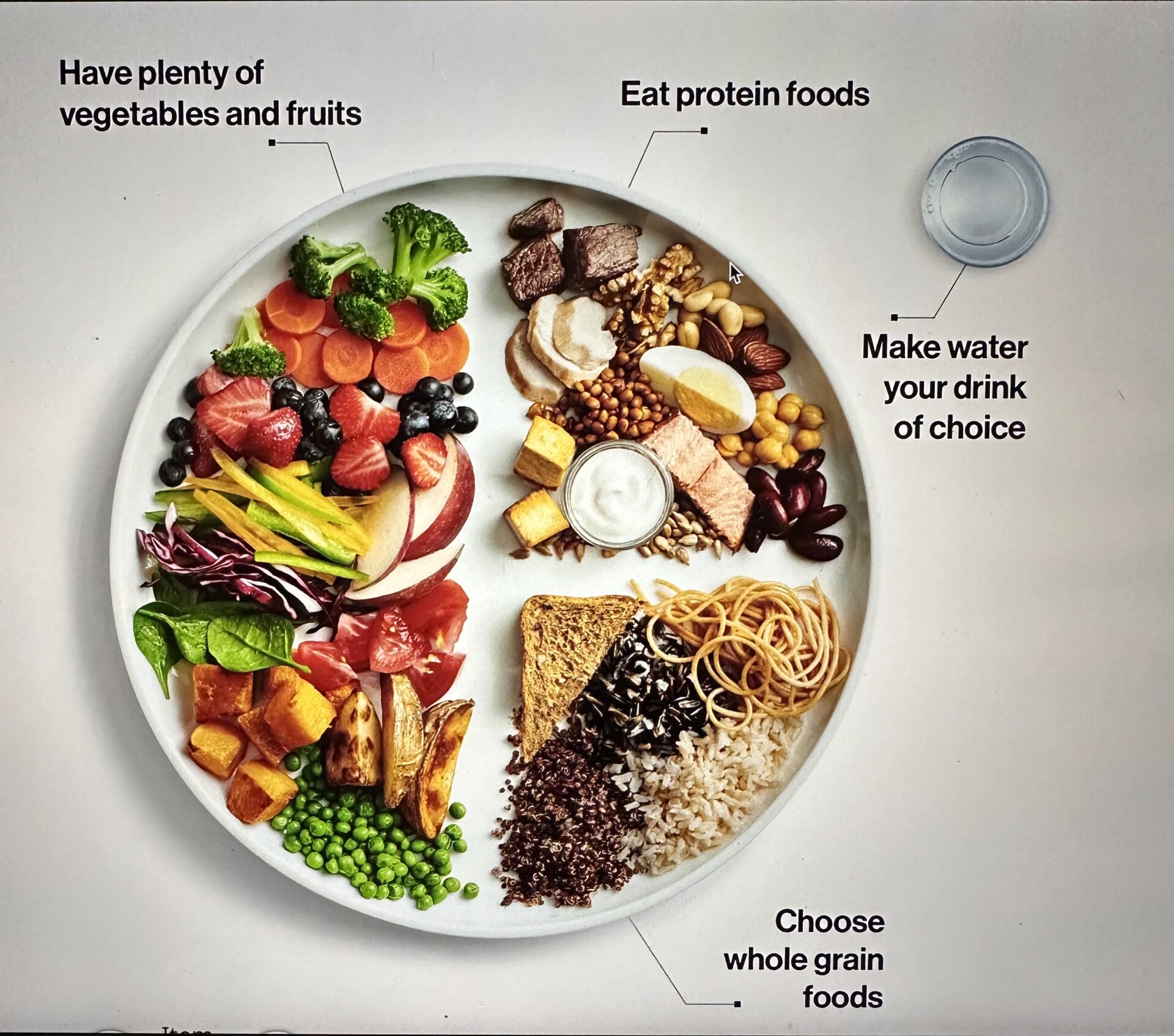
Guidelines for balanced meals in Canada are often based on recommendations from Health Canada and Canada’s Food Guide, which emphasize eating a variety of foods from different food groups. These include fruits and vegetables, whole grains, and protein foods, along with drinking water as the main beverage.
Pie Chart Sections
🥦 Fruits and Vegetables – 50%
-
Largest portion of the plate
-
Provides vitamins, minerals, and fibre
🍞 Whole Grains – 25%
-
Examples: whole-grain bread, brown rice, oats
-
Provides energy and fibre
🥚 Protein Foods – 25%
-
Examples: beans, lentils, eggs, fish, chicken, tofu
-
Supports growth and muscle development
💧 Water – main drink

Infants (0-12 Months)
Infants have unique nutritional needs because they grow rapidly during their first year of life. The nutrition for an infant would be breast milk or formula this would be their primary source of nutrients. According to Canada’s Food Guide developed by Health Canada, infants should begin eating a variety of nutrient-rich foods around 6 months while continuing breastfeeding (Health Canada, 2019).
First Element - Feeding Routine (Breast Milk/Formula)
Breast milk and formula should be give regularly throughout the day to the child according to how much the child eats. In the Child Care centre they must follow feeding schedules provided by parents and store breast milk or formula safely to maintain nutritional quality.
Second Element - Solid Food
When the infants reaches around 6 months we then start to introduce them to solid food. Iron-rich foods such as iron-fortified cereals, pureed meats, beans, and lentils should be included in menus. These foods support brain development and prevent iron deficiency.

Toddlers (1-3 Years)
Toddlers are developing independence but still require structured meals and snacks to meet their nutritional needs. Having a balance menu will ensure that a toddler will get the right and good amount of nutrition they need. According to Healthy Foundations in Early Childhood Settings, toddlers can become anxious about mealtimes, or refuse to eat or have temper tantrums because of frustration. Parents and educators need to remember that most young children will eat when they are hungry and when they are offered a variety of nourishing foods (Pimento & Kernested, 2025).
First Element - Structured Meal and Snack Routine
In the child care centres educators should provide 3 meals and 2 to 3 healthy snacks daily. Having a consistent meal routine will help toddlers develop energy levels and support healthy eating habits.
Second Element - Age-Appropriate Food Options
Menu planning should include foods that are easy for toddlers to chew and swallow, such as soft fruits, cooked vegetables, whole-grain breads, yogurt, and small pieces of protein foods like chicken or beans.
Pre-School (3-5 Years)
Preschool children require balanced nutrition to support increasing activity levels and cognitive development. According to Healthy Foundations in Early Childhood Settings, during the preschool years, children gain only about 2.5-2.75 kg per year. However, between three and ages of two and five, children's head and body shapes change dramatically a five year old no longer looks like a baby. Most preschoolers come through the toddler stage feeling that they have some power and autonomy, and most have an awareness that others have rights, too. Preschoolers take increasing initiative as they become better at everything they do Pimento & Kernested, 2025).
First Element - Balanced Menu Planning
Menus should follow recommendations from Canada’s Food Guide by including fruits and vegetables, whole grains, and protein foods at meals and snacks.
Second Element - Positive Mealtime Environment
Educators should encourage children to try different foods without pressure and model healthy eating behaviours. This helps children develop healthy relationships with food and learn good eating habits.


School-Age (6-12. Years)
School-age children require adequate nutrition to support learning, concentration, and physical activity. Nutritious meals and snacks help maintain energy levels throughout the school day. According to Healthy Foundations in Early Childhood Settings, school-ages vary in height and body shape and are aware of these differences. Concerns about dieting and the fear of fat may heighten in later school-age years, particularly in girls but also with boys. Children make the transition from a primary focus on their families to increasing influence from peers and other outside influences (Pimento & Kernested, 2025).
First Element - Healthy Snack and Meal Options
Menus should include nutrient-dense snacks such as fruit, vegetables with hummus, yogurt, whole-grain crackers, and protein foods. These foods provide sustained energy and support growth.
Second Element - Menu Variety and Nutrient Balance
Meal planning should offer a variety of foods that follow recommendations from Canada’s Food Guide to ensure children receive essential nutrients needed for development.

Canada Food Guide & Active Living
Canada’s Food Guide supports healthy eating and physical activity by not only balanced nutrition but also a healthy lifestyle that includes regular physical activity. On the guide it shows that individual to eat a variety of nutritious foods, including fruits and vegetables, whole grains, and protein foods, while making water the drink of choice. The guide also shares mportance of being physically active and reducing sedentary behaviours to support overall health and well-being (Health Canada, 2019). Healthy eating and physical activity work together to support children’s growth, development, and energy levels.
Movement Breaks
Educators can help support children active living by introuducing egular movement breaks, outdoor play, and physical activities throughout the day. They can do activities such as unning, climbing, dancing, and structured games help children stay active and develop motor skills while supporting overall health.
Mealtime Balance
Child care centre can make a meal plan that meets all the food group requirements. Making sure to provide balanced meals such as fruits, vegetables, whole grains, and protein foods ensures children receive the nutrients needed for healthy development.
Explore Further
Ready to delve deeper into child care health and safety? Explore our other pages: