Illness In Child-Care
Understanding and managing illness is crucial for the health and safety of children in care. This page provides essential information and resources to help you navigate these challenges effectively.
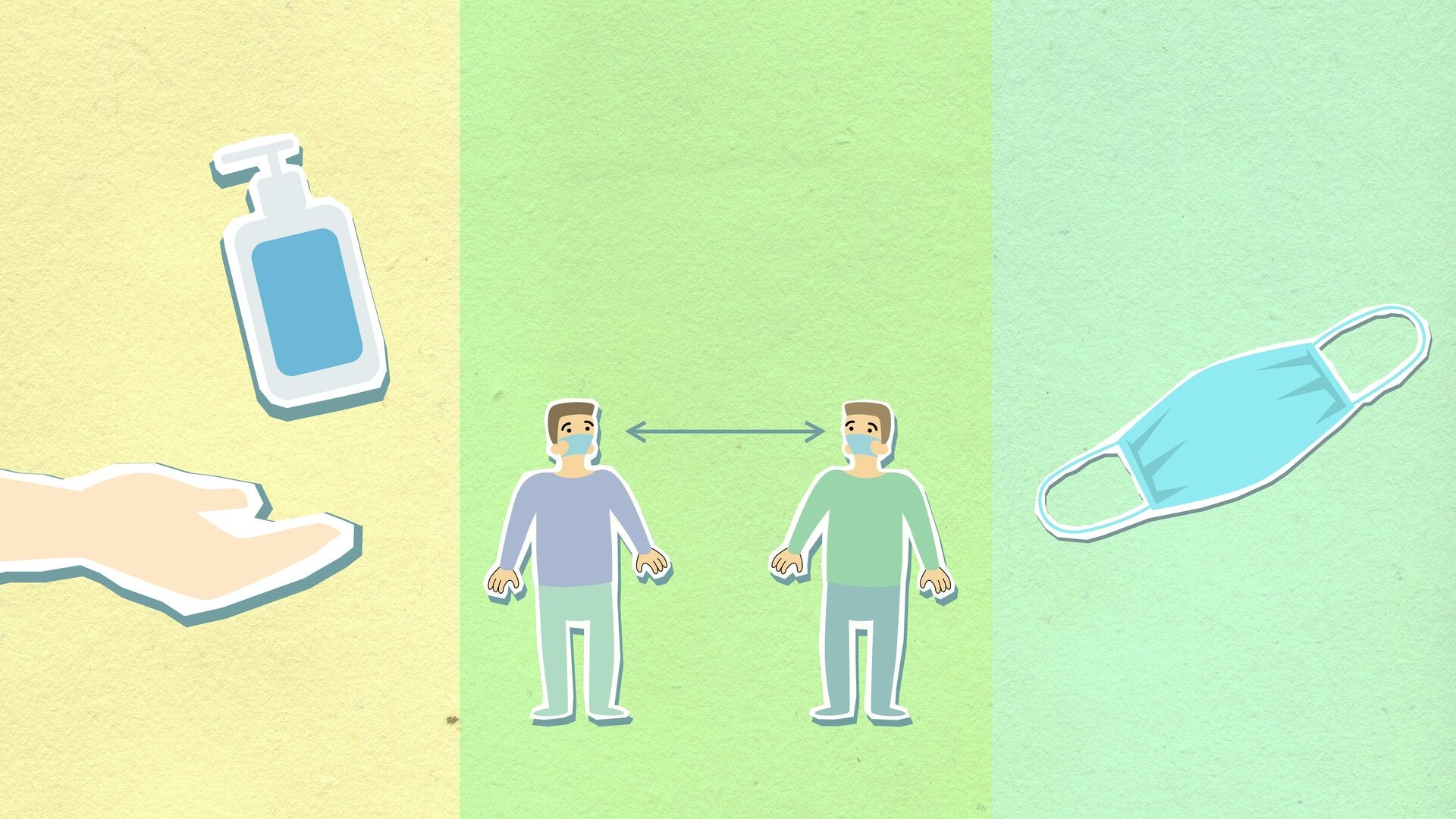
Important of Understanding Illness in Child Care
The Importance of understanding illness in child care is very important for educators because young children are more vulnerable to infections and diseases, their immune system is not strong as an adult immune system at such a young age. In the child care centre the children interacts with each other very closely with each other, they share the same toys and materials in the classrooms. This will increases the risk of germs spreading. According to Healthy Foundations in Early Childhood Settings, infections spread through a chain of infection that includes a germ, a host (person who is ill), the vehicle of transmission, and the next host (next person who becomes ill). This is the way for the germ to travel from one person to another. Germs can be transmitted through direct contact, respiratory droplets from coughing or sneezing, and indirect contact with contaminated objects such as toys, surfaces, and hands (Pimento & Kernested, 2025).

Toronto Public Health Support
In Toronto Public Health it shows all the guidance, resources, and requirements to help child care centres manage and prevent illness. TPH shares infection prevention and control measures for child care centres and that centres should follow to reduce the spread of communicable diseases. They included policies and procedures for routine practices such as daily health checks, monitoring for signs of illness, hand hygiene & respiratory etiquette, cleaning and disinfection toys, and screening staff and children for symptoms before they enter the centre. It also states that children care centre must isolate and send home individuals who develop symptoms while at the centre to ensure that everyone else around stays safe. TPH also shares education, resources, and tools such as fact sheets, policy templates, and communicable disease information to help staff apply the recommended prevention.

Outbreak/ Outbreak Steps
An outbreak in a child care centre is two or more cases of enteric (gastrointestinal) illness with a common link (same room or setting) occurring within a short period of time (usually 48 hours).
In a child care centre the outbreak steps to follow are:
1. Report Immediately - Contact TPH.
2. Isolate and Exclude Cases - Children and staff experiencing symptoms should be separated from others and sent home promptly.
3. Implement Enhanced Infection Control - Increase cleaning and disinfection of high‑touch surfaces and objects at least twice daily
4. Suspend Certain Activities - Pause group sensory play and other activities that increase shared contact.
5. Cohorting - Assign dedicated staff and children to specific rooms during the outbreak to limit cross‑contact.
6. Communication - hare outbreak notifications and fact sheets provided by TPH with parents, guardians, and staff.
Daily Health Check / Illness Monitoring Record
The daily health check/ illness monitoring record is a form used by child care staff to monitor signs of illness in children and staff on a daily basis. It records observations made when children arrive and throughout the day. On this list the educators would complete the check each day when children and staff arrive, record whether there are any signs or symptoms of illness (e.g., fever, cough, vomiting), date, time, symptoms observed, and actions taken (e.g., parent notified, child sent home), records must be kept for all children and staff for every day of operation as part of routine monitoring. The purpose of this form is to ensure that early signs of illness are identified promptly so that appropriate action can occur to reduce the risk of spreading infection. Toronto Public Health shows the importance of monitoring for symptoms and maintaining records of illness as part of routine infection prevention and control measures in child care centres.

Outbreak Line List (Gastrointestinal or Respiratory Outbreak Line List)
An outbreak line is a form used to track individual cases of illness among children and staff. For each case, the form typically includes the person’s name, date of birth, room assigned, gender, onset date, and specific symptoms (e.g., diarrhea, vomiting). The purpose for this outbreak line list is to serves as an ongoing record of all cases during an outbreak. It allows staff and public health officials to monitor the spread of illness, evaluate the extent of the outbreak, and identify patterns. Toronto Public Health requires that suspected outbreaks be reported and that child care centres maintain a Line List for both children and staff.